

Shade Grown Coffee: Ecology, Quality, and How to Buy It
Shade-grown coffee is coffee cultivated beneath a multi-layer canopy of trees, and it matters for two reasons that reinforce each other: it protects biodiversity while often producing beans with greater density, sweetness, and complexity, though it typically yields fewer cherries per hectare than full-sun monoculture. If you want to support this system, the path is clear:
- Look for Bird Friendly certification from the Smithsonian Migratory Bird Center, the most rigorous biodiversity standard available to U.S. buyers.
- Pay the premium. Price support is what makes shade farming financially viable for small producers.
- Verify traceability: a farm name, cooperative, or origin elevation on the bag is a stronger signal than the phrase “shade-grown” alone.
Key Takeaways
Shade-grown coffee delivers measurable ecological benefits and often superior cup quality, but it requires price premiums and traceable sourcing to remain viable for the farmers who grow it.
| Point | Details |
|---|---|
| Ecology is well-documented | Shade systems show positive effects on climate regulation (100% of studies) and nutrient cycling (~93%), with meaningful biodiversity benefits. |
| Carbon advantage is real | Shade farms sequester an estimated 53–55 additional tons of aboveground carbon per hectare versus full-sun monocultures. |
| Premiums are structural, not optional | Yield reductions make shade farming financially unviable without price support; paying more per bag directly sustains the system. |
| Bird Friendly is the gold standard | The Smithsonian’s certification requires organic production, 10+ native tree species, and three canopy layers, making it the most rigorous biodiversity label for U.S. buyers. |
| Rowst offers traceable single-origin coffees | Direct sourcing from named small-scale producers in Uganda, El Salvador, and Mexico gives buyers a verifiable connection to origin. |
Table of Contents
- What shade-grown coffee actually means, and where it came from
- The ecological case for coffee grown in shade
- How shade changes bean quality and what it costs farmers in yield
- How shade-grown farms are designed and managed
- The real challenges shade farming creates for producers
- Which certifications actually mean something, and how to verify shade claims in the U.S.
- How you can actively support shade-grown farming
- What the research actually shows about shade farming’s future
- Why shade-grown coffee deserves a place in every serious roaster’s sourcing conversation
- Rowst sources the kind of coffee this article is about
- Sources
What shade-grown coffee actually means, and where it came from
Coffee is native to the forest understory of Ethiopia, where it evolved under a dense canopy of taller trees. For centuries, farmers across Latin America, Africa, and Asia grew coffee the same way, integrating it into existing forest systems or planting it alongside fruit trees, timber species, and nitrogen-fixing legumes. That is the original model, and it is what the term shade-grown describes: an agroforestry-style system where coffee plants share space with a structured canopy of other species.
The 20th century changed that. Beginning in the 1970s and accelerating through the 1980s and 1990s, development programs promoted high-yielding, sun-tolerant coffee varieties that could be grown in open, unshaded monocultures. Yields went up. Biodiversity collapsed. Migratory bird populations that depend on shaded coffee farms as winter habitat declined sharply across Central America.
The conservation and specialty-coffee communities responded. By the late 1990s, researchers, NGOs, and roasters were actively promoting shade systems as a way to preserve habitat and improve cup quality simultaneously. That revival is still underway.
Four broad system types are recognized in the literature, ranging from most to least ecologically complex:
- Rustic systems — coffee planted directly into thinned native forest, with minimal management. Highest biodiversity value.
- Traditional polyculture — coffee under a diverse, multi-species canopy that includes fruit trees, timber, and native species. Still highly biodiverse.
- Commercial polyculture — a managed canopy, often with fewer species, optimized for productivity alongside shade benefits.
- Shaded monoculture — a single shade-tree species (often planted in rows) over coffee. Lower biodiversity value, but still better than full sun.
The critical point for buyers: “shade-grown” has no single legal definition in the United States. Any roaster can print it on a bag without meeting a measurable standard. That gap is exactly why certification matters, and why traceability is your best verification tool when certification is absent.
The ecological case for coffee grown in shade
The environmental benefits of shade systems are not theoretical. A multi-study review covering more than 70 studies found positive effects on pollination in approximately 58% of studies examined, pest control in roughly 60%, climate regulation in 100%, and nutrient cycling in approximately 93%. Those numbers reflect a consistent pattern: shade farms function as working ecosystems, not just agricultural plots.
Biodiversity and habitat
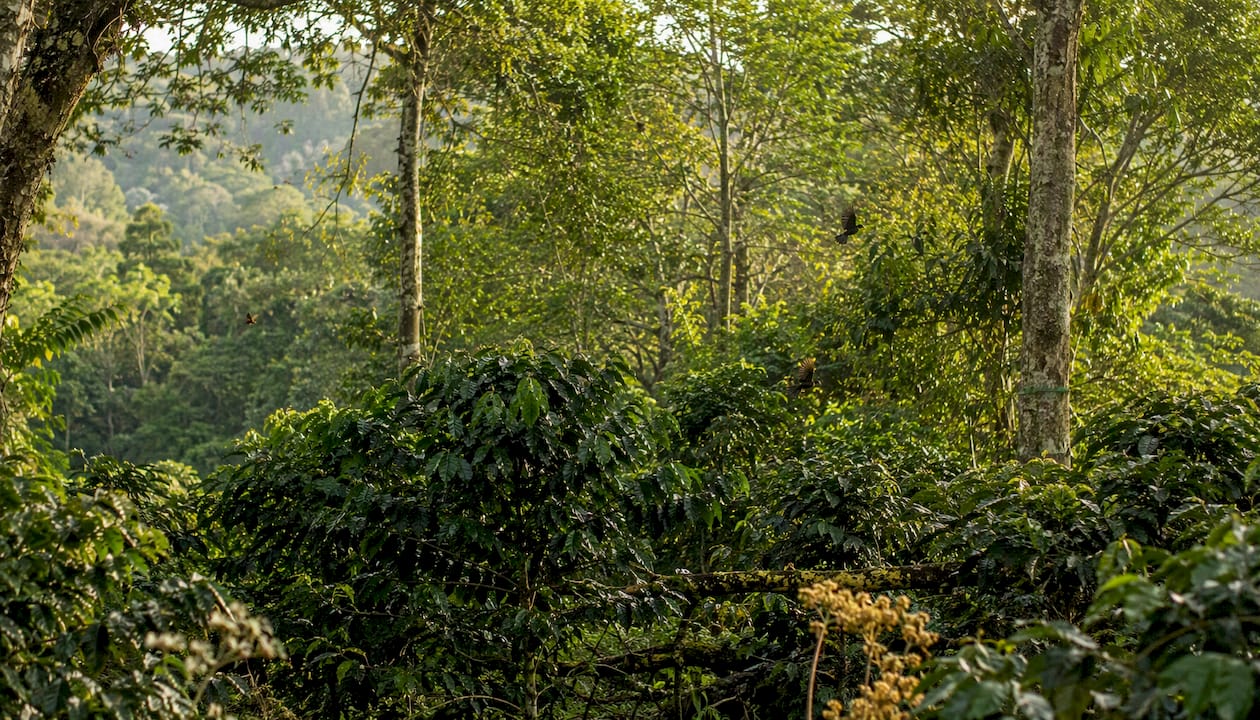
Shaded coffee farms serve as critical refuges for migratory birds, bats, and insects across the coffee belt. In regions where native forest has been cleared, a well-managed traditional polyculture farm can support dozens of bird species that would otherwise have no winter habitat. Bats provide natural pest control. Native bees and other pollinators thrive under the canopy. The ecological web that a shade farm supports is genuinely complex, and it scales directly with canopy diversity: a rustic system with 30 native tree species supports far more wildlife than a shaded monoculture with one.
Soil health and water
Leaf litter from shade trees builds organic matter in the soil, reducing the need for synthetic fertilizers. Root structures from multiple tree species stabilize slopes, cutting erosion on the steep hillsides where most Arabica coffee grows. That same root network improves water infiltration, reducing runoff during heavy rainfall and helping farms retain moisture through dry seasons.
Carbon sequestration
Shade systems sequester an estimated 53–55 additional tons of aboveground carbon per hectare compared with unshaded monocultures, based on biomass measurements cited in the Jha et al. review.
That figure covers aboveground biomass only. Soil carbon adds further to the total, making shade farms a meaningful nature-based climate tool, not just a biodiversity one.
Global coverage data adds context: a significant portion of coffee area is managed under traditional diverse shade, some under sparse shade, and a sizable share under no shade, based on country-level data compiled in the same review. That means the majority of the world’s coffee is still grown in systems with minimal or no canopy, which is precisely why consumer choices carry weight.
How shade changes bean quality and what it costs farmers in yield
Slower is better, in coffee as in most things worth savoring. Under a canopy, coffee cherries ripen more gradually because the trees moderate temperature swings and reduce direct solar radiation on the fruit. That extended development period allows sugars, acids, and flavor precursors to accumulate in the bean over a longer window, which tends to produce:
- Greater bean density, which correlates with more even roasting and a fuller body in the cup.
- Layered sweetness and complexity, often described as stone fruit, dark chocolate, or floral notes depending on variety and origin.
- Brighter, more nuanced acidity compared with beans from the same variety grown in full sun.
- Lower moisture loss during drying, which preserves volatile aromatic compounds.
None of this is guaranteed by shade alone. Variety, soil, altitude, processing method, and roast profile all shape the final cup. But the physiological mechanism is real: slower ripening under a canopy gives the bean more time to develop.
The trade-off is yield. Full-sun systems, using high-yielding hybrid varieties bred for open conditions, can produce significantly more cherries per hectare than shaded farms. A 2022 review in Frontiers in Sustainable Food Systems documents that yield responses to shade are variable by region and cultivar, but the general direction is consistent: more shade typically means fewer cherries per plant, at least in the short term.
For a smallholder farmer, that yield gap translates directly to income pressure. If the market pays the same price for shaded and unshaded coffee, the farmer who maintains a canopy earns less per hectare. This is the central economic tension in shade coffee cultivation, and it is why premium pricing is not optional generosity but structural necessity.
Good management can moderate the gap. Adequate nutrition (often supplied partly by nitrogen-fixing shade trees), careful pruning of both coffee and canopy, and appropriate variety selection can close some of the yield difference. But it rarely disappears entirely, which is why the financial case for shade farming almost always depends on a price premium, a certification, or both.
How shade-grown farms are designed and managed
The FAO describes shade-grown coffee as an agroforestry system that combines coffee with fruit, timber, and leguminous shade trees, with practical configurations varying by region, climate, and farmer resources. The underlying structure, though, follows a recognizable logic.
Canopy layers and their roles
A well-designed shade system has three functional layers:
Emergent layer (tallest trees, 15 meters and above): timber species and large native hardwoods. These provide structural shade, windbreak, and long-term carbon storage. In Latin America, species like Cordia alliodora (laurel) and Cedrela odorata (cedar) are common. Returns from timber take years, but they represent a meaningful income stream for patient farmers.
Midstory layer (5–15 meters): the workhorse of most shade systems. Nitrogen-fixing legumes, particularly Inga species, dominate here across Central and South America. Inga trees fix atmospheric nitrogen into the soil, reducing fertilizer needs, and their leaf litter decomposes quickly into organic matter. Banana and plantain plants also occupy this layer on many farms, providing both shade and food.
Understory and fruit trees (2–5 meters): citrus, avocado, and other fruit trees that provide additional income and food security for farm families. These also attract pollinators and create microhabitat complexity at the level where coffee plants actually grow.
Management basics
Shade management is active work. Canopy trees need periodic pruning to prevent excessive shading (which can reduce coffee flowering) and to maintain airflow that reduces fungal disease pressure. Coffee plants themselves require pruning cycles to maintain productivity. Intercropping with shade trees means harvesting multiple crops on different schedules, adding labor complexity.
Shade systems pair naturally with organic practices: the reduced need for synthetic pesticides (because predator insects and bats control pests) and the nitrogen contribution from leguminous trees lower input costs over time, even if establishment costs are higher.
Pro Tip: When reading a roaster’s product page or bag notes, look for specific tree species names, a canopy percentage, or a description of multi-layer structure. “Shade-grown” alone, with no further description, tells you almost nothing.
The real challenges shade farming creates for producers
Understanding why farmers convert to full-sun systems is as important as understanding why shade systems are worth preserving. The pressures are real, and dismissing them does a disservice to the producers whose livelihoods depend on getting this right.
Yield loss and income pressure
The most immediate challenge is financial. Root Capital and Cornell researchers note that converting to shaded systems can reduce short-term yields, making premium pricing and market support essential for farmer adoption. A farmer transitioning from a productive sun system to shade faces years of lower income before the canopy matures and any ecosystem service benefits materialize. Without a guaranteed price premium or a forward contract with a specialty buyer, that transition is a financial risk most smallholders cannot absorb.
Disease dynamics
Coffee leaf rust (Hemileia vastatrix) is the most destructive coffee disease globally, and its relationship with shade is complicated. Dense, humid canopies can create conditions that favor fungal spread under certain circumstances. A 2022 review in Frontiers in Sustainable Food Systems notes region- and cultivar-specific trade-offs, including interactions with coffee leaf rust and variable yield responses. The nuance matters: well-managed shade with good airflow does not automatically increase rust risk, and some research suggests that the biodiversity of shade systems (including predatory insects and fungi) can suppress rust. But poorly managed, overly dense canopies in humid climates can tip the balance the other way.
Certification costs and access barriers
Obtaining Bird Friendly or Rainforest Alliance certification requires on-farm inspections, documentation, and annual fees that many small producers cannot easily afford. Even when a farm genuinely meets the ecological standards, the cost and complexity of formal certification can be prohibitive. This is one reason why traceable direct-trade relationships, where a roaster can verify practices without requiring formal certification, matter so much for small-scale producers.
Which certifications actually mean something, and how to verify shade claims in the U.S.
The label on a coffee bag is only as meaningful as the standard behind it. Here is what the main certifications actually guarantee, and where their limits are.
Bird Friendly (Smithsonian Migratory Bird Center)
The Smithsonian’s Bird Friendly program requires organic production and rigid canopy standards: minimum canopy cover, at least 10 native tree species, and three canopy layers. It is the gold standard for biodiversity-friendly coffee because it mandates both ecological complexity and chemical-free farming. Every Bird Friendly farm has been inspected against measurable criteria. If you see this seal, the shade claim is real.
Rainforest Alliance
Rainforest Alliance certification covers a broad set of social and environmental criteria, including some shade requirements, but its standards are less prescriptive about canopy complexity than Bird Friendly. A Rainforest Alliance farm may have meaningful shade or relatively sparse shade, depending on the specific audit. The seal signals better-than-commodity practices, but it is not a biodiversity guarantee.
USDA Organic
Organic certification prohibits synthetic pesticides and fertilizers but says nothing about canopy cover or tree species. An organic coffee can be grown in full sun. Organic is a useful signal for chemical practices, not for shade or biodiversity.
Practical verification steps for U.S. buyers
- Look for the Bird Friendly seal as your primary biodiversity indicator.
- Check for a farm or cooperative name on the bag or product page. Named origins are traceable; anonymous “Central American blend” is not.
- Read the tasting notes for altitude and variety. High-altitude Arabica from traditional growing regions is more likely to be shade-grown by necessity, even without a formal label.
- Ask the roaster directly. A specialty roaster who sources with intention will know whether their farms use shade and can describe the canopy.
- Look for direct-trade documentation. Some roasters publish farm visit reports, photos, or producer profiles that show canopy conditions.
Pro Tip: The Smithsonian’s Bird Friendly database lists certified roasters and farms by country. Before buying, a quick search at the Smithsonian Migratory Bird Center’s website can confirm whether a roaster’s Bird Friendly claim is current and verified.
How you can actively support shade-grown farming
Buying certified coffee is the most direct lever you have, but it is not the only one. Here is how to make your purchasing choices count.
Prioritize Bird Friendly certified beans when they are available. The premium you pay goes directly to supporting a system that delivers measurable biodiversity and climate benefits. When Bird Friendly is not available, look for single-origin coffees from named farms or cooperatives with explicit shade descriptions, particularly those that mention multi-layer canopies or specific tree species like Inga or native hardwoods.
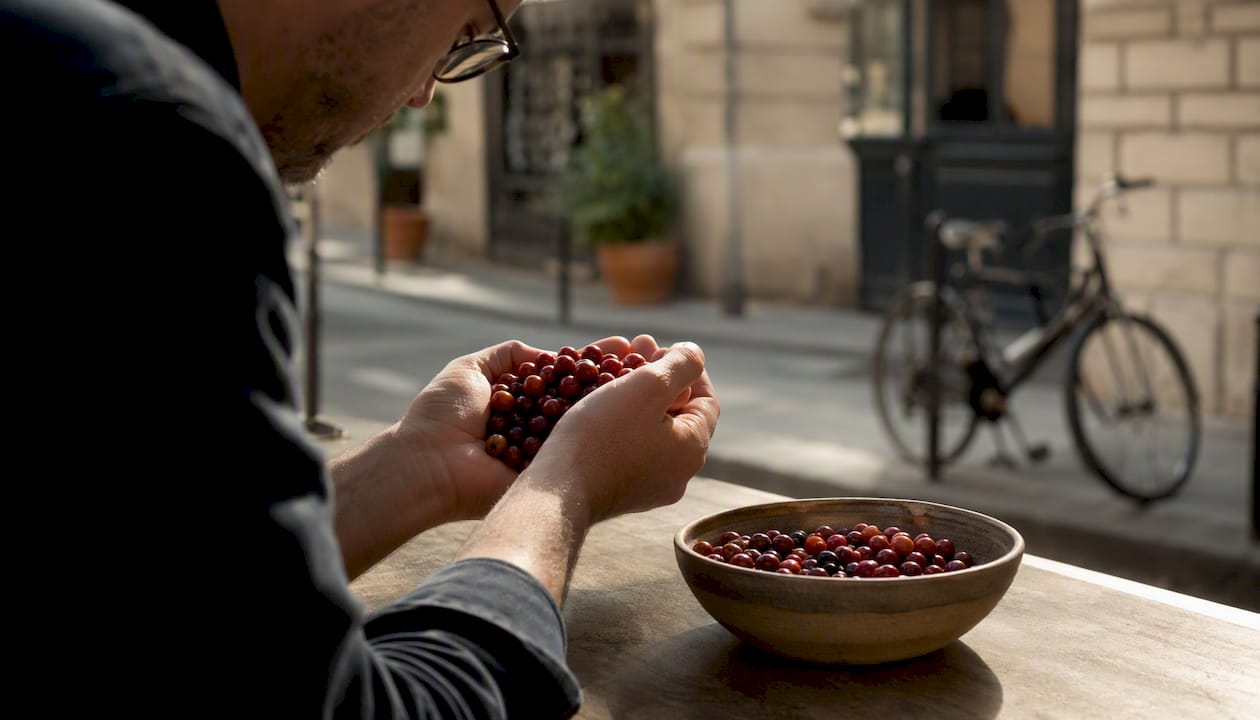
Pay the premium without negotiating it away. Root Capital’s research makes clear that shade farming requires price support to remain viable. A farmer who cannot earn more per pound for shade-grown coffee than for sun-grown coffee has no financial reason to maintain the canopy. Your willingness to pay $18 instead of $12 for a bag of traceable, shade-grown single-origin is a direct subsidy for the ecosystem services that farm provides.
Choose roasters who publish sourcing transparency. Farm pages, producer profiles, and origin notes that include elevation, variety, and processing method are signals that a roaster has a real relationship with their producers, not just a marketing story. That relationship is what makes shade verification possible without formal certification.
When certified Bird Friendly is genuinely unavailable, the next best combination is USDA Organic plus a multi-layer canopy description from a named farm. Organic alone is not enough, but organic plus a roaster who can describe the canopy in specific terms gets you close to the same assurance.
Support industry and policy efforts that recognize ecosystem services. Carbon and biodiversity payment programs for shade-grown farms are still nascent in the U.S. market, but they represent the structural solution to the premium gap. Roasters and retailers who advocate for these programs are doing work that benefits the entire supply chain.
What the research actually shows about shade farming’s future
The science on shade-grown coffee has matured considerably over the past decade, and the picture is more nuanced than either enthusiasts or skeptics tend to acknowledge.
The ecological case is strong. The Jha et al. review covering more than 70 studies shows consistent positive effects on climate regulation and nutrient cycling, with meaningful but more variable benefits for pest control and pollination depending on regional context and management intensity. That is a robust evidence base.
Climate resilience is where the research is most compelling for the near term. Columbia’s climate reporting highlights that shade trees buffer daytime heat and retain nighttime warmth, helping Arabica coffee cope with the temperature volatility that climate change is intensifying across the coffee belt. Arabica is already under pressure from rising temperatures at traditional growing altitudes. Shade is one of the most practical on-farm adaptations available to producers right now.
Farmer-level modeling from the same Columbia research suggests that partial conversion to shade in modeled scenarios may allow farmers to optimize both ecological benefits and profitability rather than choosing one or the other. That finding challenges the binary framing of “shade vs. sun” and points toward more nuanced farm-level strategies.
Where the evidence is genuinely mixed: disease interactions, particularly with coffee leaf rust, vary significantly by region, altitude, humidity, and cultivar. The 2022 Frontiers review documents this variation clearly. Shade is not a universal disease solution, and in some high-humidity environments, canopy management requires careful attention to airflow to avoid creating conditions that favor fungal spread.
| Research area | Evidence strength | Key caveat |
|---|---|---|
| Climate regulation | Strong (100% of studies positive) | Applies across regions |
| Nutrient cycling | Strong (~93% of studies positive) | Management-dependent |
| Carbon sequestration | Strong (~53–55 tons/ha vs. full sun) | Aboveground biomass; soil adds more |
| Pest control | Moderate (~60% of studies positive) | Regional and management variation |
| Pollination | Moderate (~58% of studies positive) | Regional variation |
| Disease (leaf rust) | Mixed | Canopy density and humidity matter |
| Yield response | Variable | Cultivar and region specific |
The adoption barrier research is equally clear. Root Capital and Cornell consistently identify short-term yield loss and the absence of reliable market premiums as the primary reasons farmers do not convert or maintain shade systems, even when they understand the long-term benefits. The ecological case is made. The economic infrastructure to support it is still catching up.
Why shade-grown coffee deserves a place in every serious roaster’s sourcing conversation
The conversation about shade-grown coffee in specialty circles has shifted in the past few years. It used to be primarily a conservation argument, something you supported because it was the right thing to do for birds and forests. That framing was not wrong, but it was incomplete.
Roasters who source shade-grown lots with genuine traceability consistently report something that the ecological data supports: the beans are different. Slower ripening under a canopy produces a cherry that has had more time to develop its sugars and aromatic precursors. That translates to cups with more layered complexity, a quality that specialty buyers are willing to pay for on its own merits, separate from any conservation story. The ecology and the cup quality are not in tension. They are products of the same process.
The supply security argument is equally compelling. A farm that maintains a diverse canopy is more resilient to temperature extremes, drought, and the kind of weather volatility that is already disrupting Arabica production at lower altitudes. Roasters who build direct relationships with shade-growing producers are not just doing good. They are hedging against a supply chain that is becoming less predictable every year.
For a sourcing model like Rowst’s, which is built on direct relationships with small-scale producers and a commitment to transparency about origin, shade-grown farms are a natural fit. The values align: craftsmanship, terroir, and a genuine connection between the cup and the land it came from.
Rowst sources the kind of coffee this article is about
Rowst works directly with small-scale producers in Uganda, El Salvador, and Mexico, without intermediaries, so the sourcing story behind every bag is real and traceable. That direct relationship is what makes it possible to know how a farm is managed, what grows alongside the coffee, and whether the producer is being fairly compensated for the care they put into their crop.
If you want to start with a curated introduction to what traceable, ethically sourced specialty coffee tastes like, the Coffee Lover Pack brings together a selection of single-origin offerings that reflect Rowst’s sourcing philosophy. For buyers who want to explore individual origins, the Discovery Pack is a lower-friction way to taste across regions before committing to a single origin. Each product page includes origin notes and producer information, so you can read the sourcing story before you brew. Visit Rowst to explore the full selection and find the origin that speaks to you.
Sources
The claims in this article draw on peer-reviewed research, NGO analyses, and certification program documentation. These are the most useful resources if you want to go deeper.
- Shade Coffee: Update on a
- Shade-Grown Coffee: What’s the Big Deal? - Root Capital
- Shade-Grown Coffee Helps Ecosystems and Farmers – State of the Planet
- Frontiers in Sustainable Food Systems (review article)
- Incorporating trees in and around coffee production (FAO / STI Portal)