

Choosing the Right Single-Origin Coffee for Cold Brew
Yes, single-origin coffee makes exceptional cold brew, but only when you pick the bean with intent rather than reaching for whatever bag says “specialty” on the label. For most home drinkers, the safest, most rewarding first pick is a medium-roast Latin American single origin. It carries chocolate and caramel notes that survive chilling and dilution without turning flat, and it works equally well black or with milk.
Two easy detours from that default:
- Light-roast East African (think Ethiopian or Kenyan) for a bright, fruit-forward black cup.
- Dark-roast Indonesian (Sumatra, typically) when you want a syrupy, earthy base that can stand up to cream, milk, or dessert-style drinks.
Key Takeaways
Single-origin cold brew rewards drinkers who match roast, processing, and origin to the flavor they actually want, rather than defaulting to whatever bag looks premium.
| Point | Details |
|---|---|
| Start with medium roast | It balances sweetness and forgiveness, making it the safest single-origin pick for first-time cold brewers. |
| Match processing to goal | Washed beans give clarity and brightness; natural beans give fruit and heavier body. |
| Use a 1:8 or 1:4–1:6 ratio | Brew ready-to-drink at 1:8, or make concentrate at 1:4 to 1:6 and dilute at serving. |
| Steep 14 to 18 hours | Medium roasts need roughly 14 to 16 hours; light roasts often need the longer end near 18. |
| Shop Rowst for traceable single origins | Rowst’s direct-trade Uganda, El Salvador, and Mexico beans are sourced for the lot consistency cold brew depends on. |
Table of Contents
- Why Single-Origin Cold Brew Tastes Different From Blends
- How to Choose a Single-Origin Coffee for Cold Brew
- Brewing Adjustments That Let the Origin Shine Through
- Which Origins Deliver Which Flavors in Cold Brew
- Where Rowst’s Sourcing Fits Into a Cold-Brew-Ready Bean
- Single-Origin Guidance for Cold Brew Drinkers, Not Coffee Theory
- Ready to Build Your Own Single-Origin Cold Brew Rotation
- Sources
Why Single-Origin Cold Brew Tastes Different From Blends
Cold extraction changes the rules. Steeping grounds in cold or room-temperature water for hours instead of minutes softens perceived acidity and pulls forward sweetness and body, which means a coffee’s flavor shows up differently than it would in a hot pour-over. That shift matters more with single origins than with blends, because a blend is engineered to taste consistent no matter the brew method, while a single origin is chosen precisely because it tastes like somewhere.
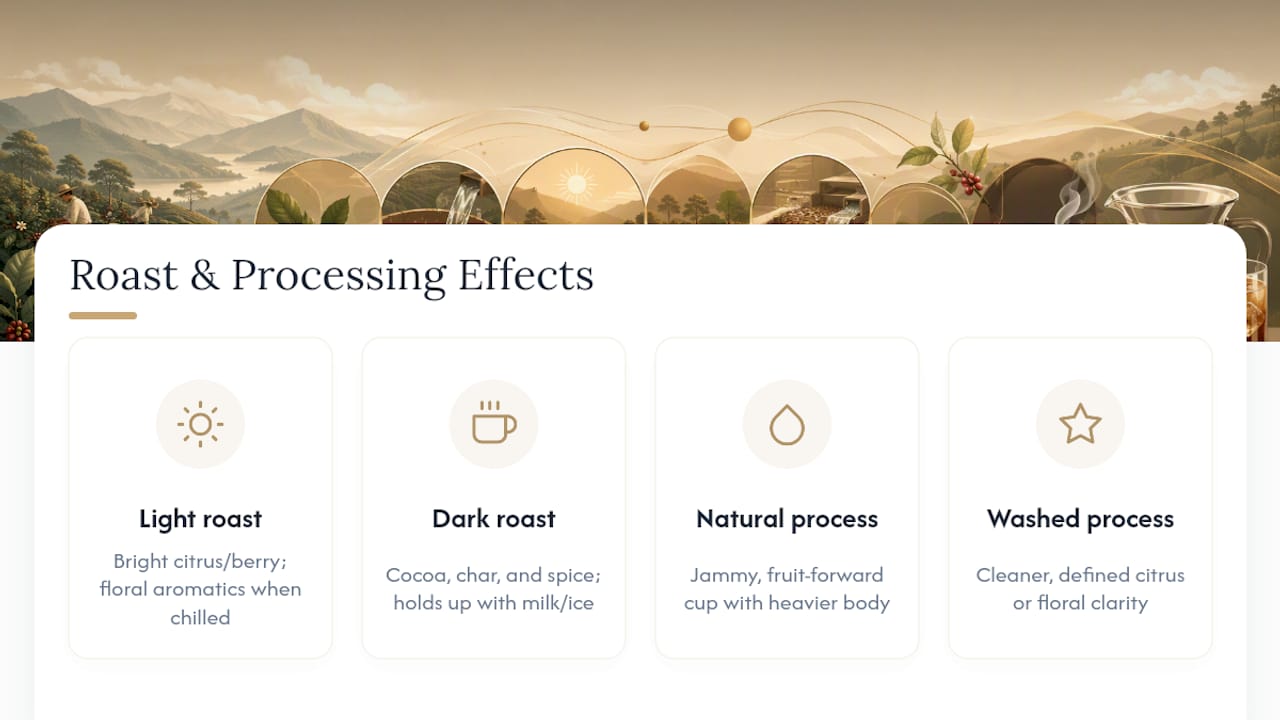
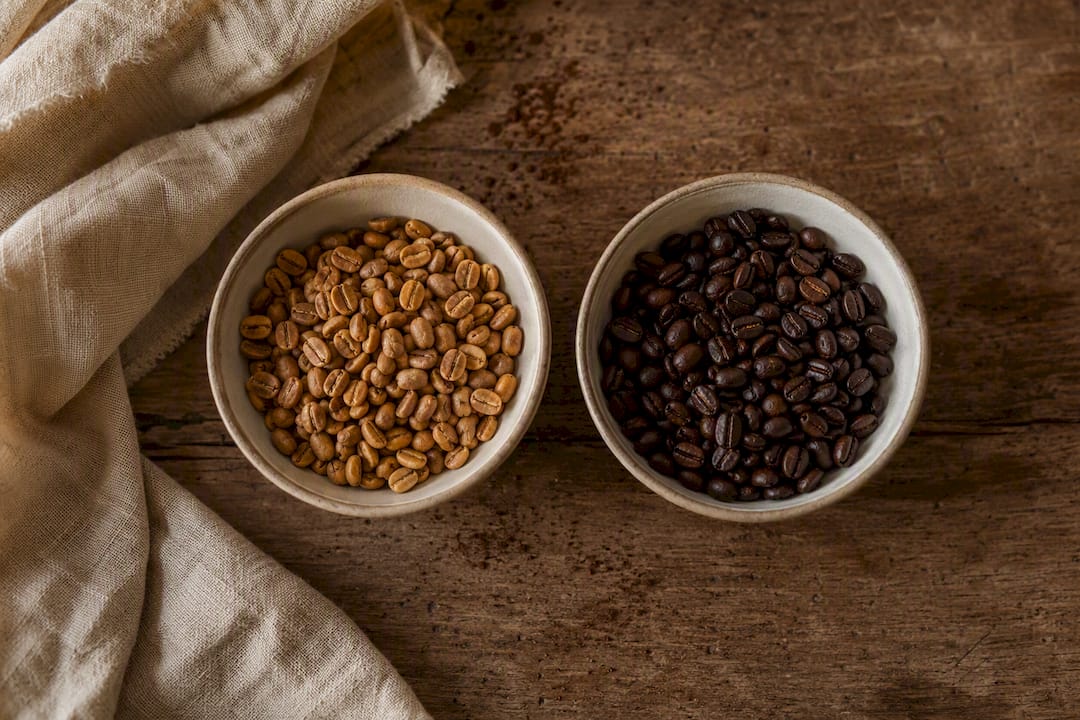
Roast level decides how much of that “somewhere” survives the process. Light roasts hang onto more of the origin’s natural acidity and floral aromatics, which read as bright citrus or berry once chilled. Darker roasts trade those delicate notes for roast-driven flavors like cocoa, char, and spice that punch through milk and ice without disappearing.
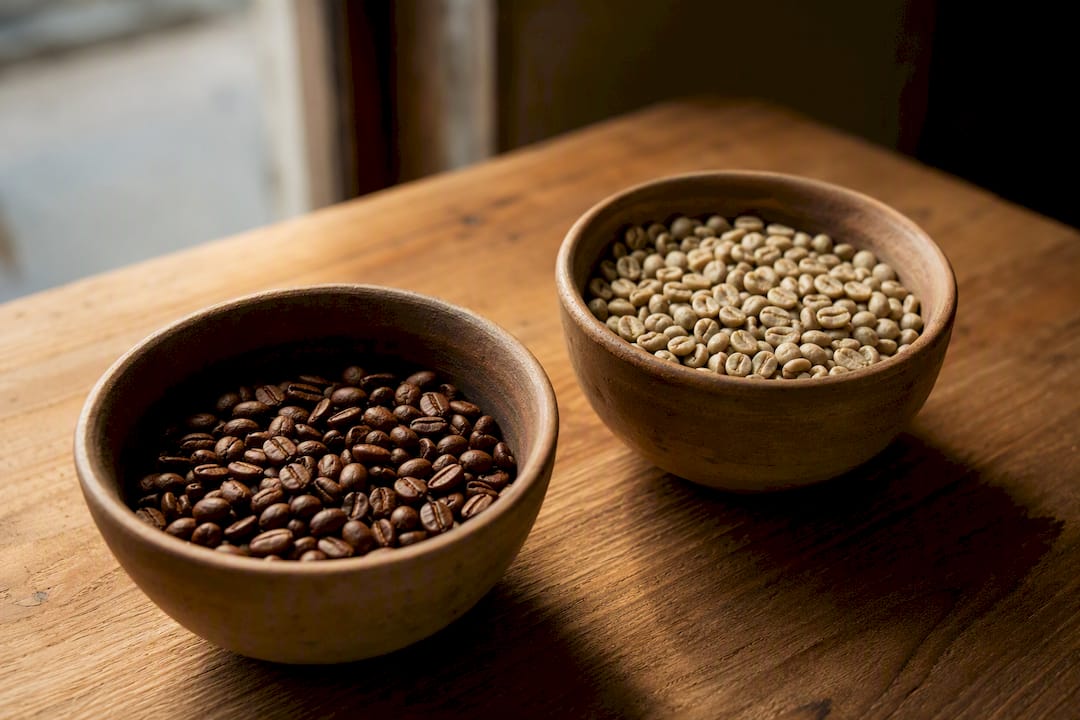
Processing method plays an equally large role. Natural-processed beans tend to produce jammy, fruit-forward cups with heavier body, while washed beans deliver cleaner, more defined citrus or floral clarity. Neither is “better.” They just point toward different glasses.
Pro Tip: If you’re chasing a specific flavor rather than a specific origin, check the processing method on the bag before the country of origin. It predicts the cup profile more reliably.
How to Choose a Single-Origin Coffee for Cold Brew
Start by reading the bag like a label, not a marketing pitch.
- Check the roast date first. Beans recently roasted give the clearest, most vivid results, and freshness matters even more for cold brew since the process mutes some volatile aromatics.
- Note the roast level. Medium roast is the most forgiving choice for everyday drinking. Light roast rewards a careful brewer with complexity. Dark roast guarantees a bold cup that won’t get lost under milk or syrup.
- Read the processing method. Washed means clarity and brightness. Natural means fruit and body. Honey-processed splits the difference.
- Match tasting notes to how you’ll drink it. If the bag says “black cherry, jasmine,” that coffee wants to be sipped black over ice. If it says “milk chocolate, brown sugar,” it wants cream.
Use a simple decision tree when you’re standing in front of a shelf of options. Drinking it black, unsweetened? Lean light-to-medium roast, washed process, East African or high-altitude Central American origin. Drinking it with milk or a sweetener? Lean medium-to-dark roast, natural or honey process, Latin American or Indonesian origin.
Once you’ve picked the bag, protect what’s inside it:
- Store beans whole, not pre-ground, until brew day.
- Keep them in an airtight container away from light and heat.
- Grind just before brewing to preserve the aromatics that cold extraction already has to work to capture.
Brewing Adjustments That Let the Origin Shine Through
Two baseline recipes cover almost every use case. For a ready-to-drink brew, use a moderate coffee-to-water ratio by weight. For a concentrate you’ll cut with water, milk, or ice later, use a stronger ratio, then dilute to taste at serving.
- Grind coarse, always. A grind too fine will over-extract during a long steep and mute the origin character you paid for, replacing it with bitterness.
- Steep time depends on roast. Start around 14 to 16 hours for medium roast, adjusting by about 2 hours in either direction to taste. Light roasts often need the full range up toward 12 to 18 hours to fully extract their density, since their cell structure resists water more than a darker roast does. Dark roasts can come off the shorter end, since they extract faster and oversteeping risks ashy flavors.
- Pick your method deliberately. Immersion brewing (grounds sitting fully submerged) produces a rounder, heavier body. Slow drip extracts more delicate top notes and tends to favor light roasts and washed processing. A hybrid, short immersion followed by a slow strain, splits the difference.
- Filter twice if clarity matters to you. A first pass through a mesh filter followed by a paper filter or cloth removes fine sediment that can otherwise mute the crisp, bright qualities a washed East African bean is supposed to deliver.
Pro Tip: Taste your concentrate at the 12 hour mark, then again every few hours. The window where a light roast tastes “alive” rather than “sour” or “flat” is narrower than most recipes admit, and your palate will find it faster than a fixed timer will.
Which Origins Deliver Which Flavors in Cold Brew
Origin isn’t destiny, but it’s a strong starting signal once roast and processing are locked in.
- Latin America (Brazil, Colombia, El Salvador, Mexico): Chocolate, roasted nut, and caramel notes dominate. These are the most reliable, all-purpose cold brew beans, and they hold up especially well with milk.
- East Africa (Ethiopia, Kenya, Uganda): Citrus, berry, and floral notes lead. These shine hardest in black service, where nothing masks the complexity you’re paying extra for.
- Indonesia (Sumatra, Java): Earthy, herbal, and syrupy-bodied cups. Best reserved for dessert-style drinks or anything heavily sweetened, where a delicate bean would simply vanish.
For a quick pairing cheat sheet: black and unsweetened calls for East Africa, milk and everyday drinking calls for Latin America, and dessert-style or cocktail applications call for Indonesia.
Where Rowst’s Sourcing Fits Into a Cold-Brew-Ready Bean
Rowst sources every single origin directly from small-scale producers, without intermediaries standing between the farm and your bag. That matters for cold brew specifically, because traceability and small-lot production correlate with clearer, more consistent origin flavor, the exact quality a long, slow extraction is built to reveal.
Rowst’s Coffee Lover Pack exists for this reason. It lets you taste multiple origins side by side rather than committing to a full bag before you know how a bean behaves once it’s cold and diluted.
- Direct farmer relationships mean pricing and quality decisions happen without a chain of middlemen.
- Curated discovery packs span Uganda, El Salvador, and Mexico, three regions that map cleanly onto the flavor categories above.
- Small-batch sourcing keeps flavor consistent lot to lot, which matters when you’re dialing in a steep time for a specific bean.
A bean’s story only matters at the register if it also shows up in the cup. Direct sourcing is worth something only when it produces a coffee you can actually taste the difference in, glass after glass.
Single-Origin Guidance for Cold Brew Drinkers, Not Coffee Theory
Most cold brew advice still treats single-origin coffee as a badge of honor rather than a decision with consequences. That’s backward. The real skill isn’t knowing that Ethiopian beans taste floral in the abstract. It’s knowing whether floral survives an 16-hour cold steep with ice and milk added, and adjusting the brew, not just the bean, to get there.
The conventional wisdom oversells origin and undersells process. A washed Kenyan and a natural Kenyan from the same farm can produce two different cold brews, yet most buying guides never mention processing until the third paragraph, if at all. That’s the gap worth closing first.
If you take one thing from this guide, let it be sequencing: decide the flavor you want in the glass, then work backward through origin, processing, roast, and finally ratio and time. Chasing origin hype first, and hoping the brew sorts itself out, is how good beans end up tasting like an afterthought.
— Diego
Ready to Build Your Own Single-Origin Cold Brew Rotation
Rowst gives you what most grocery-aisle “cold brew blends” can’t: full traceability back to the small-scale farmers who grew the beans, without a chain of distributors marking up the price or diluting the story. That directness is what lets you actually shop by flavor and process, the way this guide recommends, instead of guessing from a vague marketing label.
If you want the safe, medium-roast starting point covered earlier, the El Salvador Pacamara delivers exactly that balanced chocolate and caramel profile built for both black and milk-forward cold brew. Curious to compare origins side by side before committing to a full bag? The Coffee Lover Pack lets you taste Uganda, El Salvador, and Mexico against each other in your own kitchen. Visit Rowst to browse the full lineup and place your order today.
Sources
- Best Roast for Cold Brew: Dark or Light – Which One’s Perfect?
- Cold Brew With Light Roast Beans: Achieving Brightness and Complexity
- Choosing a coffee for cold brew