

Single Origin Coffee: A Buying and Tasting Guide
Single-origin coffee is coffee traceable to one identifiable place, whether that’s a whole country, a single region, one farm, or a micro-lot picked in a single week. There’s no legal or universal standard behind the term. The Specialty Coffee Association and competitions like Cup of Excellence give the category its quality benchmarks, while roasters like Rowst decide how far down that chain of specificity to go.
Three things worth knowing before you buy:
- Flavor clarity comes from place, not blending. A coffee’s altitude, soil, and processing show up directly in the cup.
- Seasonality and price both track lot specificity. The more precise the origin claim, the more likely it’s a limited harvest.
- Traceability varies by roaster. “Single-origin” on a bag tells you less than a farm name and a lot number do.
Key Takeaways
Single-origin coffee rewards readers who check for farm-level detail, roast date, and processing method rather than trusting the label alone.
| Point | Details |
|---|---|
| Definition has layers | “Single-origin” can mean country, region, farm, or micro-lot. Ask which one applies. |
| Terroir and processing drive flavor | Altitude, soil, and washed versus natural processing shape acidity, body, and aroma. |
| Blends serve consistency | Choose single-origin for tasting and filter brewing; choose blends for milk drinks and daily reliability. |
| Traceability isn’t automatic | Look for a named farm, lot number, and harvest date, since no legal standard enforces the term. |
| Rowst sources with transparency | Rowst works directly with small-scale farms in El Salvador, Mexico, and Uganda, publishing lot and roast details on every bag. |
Table of Contents
- What Does “Single-Origin” Actually Mean?
- Why Single-Origin Coffee Wins Over Enthusiasts
- Should You Buy Single-Origin or a Blend?
- How Do You Choose a Single-Origin Coffee You’ll Love?
- Brewing and Tasting Tips for Single-Origin Coffee
- What “Single-Origin” Doesn’t Guarantee
- How Responsible Roasters Source Single-Origin Coffee
- Common Varietals Behind Single-Origin Flavor Profiles
- Ready to Taste Your First Single-Origin?
- Frequently Asked Questions
- Sources
What Does “Single-Origin” Actually Mean?
The term operates on a sliding scale, and most bags don’t tell you where on that scale they land. At the broadest level, a coffee labeled “Colombia” or “Ethiopia” just means every bean in the bag came from that country, mixing beans from dozens or hundreds of farms. Narrow it to a region (Yirgacheffe, Huila), a cooperative or washing station, a single farm or estate, and finally a micro-lot, meaning one harvest, one field, sometimes one day’s picking.
There’s no legal definition governing any of this, so a roaster can call a country-level blend “single-origin” with total honesty and zero specificity. Industry voices increasingly treat the label as a signal of sourcing intent rather than a quality guarantee, which means the burden falls on you to check for real detail. Before buying, look for:
- A named farm, estate, or cooperative (not just a country)
- A lot or batch number
- A specific harvest season or year
- A processing method listed alongside the origin
Why Single-Origin Coffee Wins Over Enthusiasts
Terroir is the reason a coffee grown at 1,900 meters in Yirgacheffe tastes like jasmine and citrus, while one grown in the shade of Brazilian cerrado hills tastes like walnuts and dark chocolate. Altitude slows the cherry’s maturation, concentrating sugars and acids. Soil mineral content and microclimate humidity shape body and aroma in ways a blend, by design, smooths over. That’s the trade a blend makes: consistency in exchange for character.
Processing method reshapes what terroir gives you. Washed coffees ferment the fruit off before drying, producing cleaner acidity and more transparent origin character. Natural process leaves the whole cherry to dry around the bean, adding boozy, fruit-forward sweetness that can taste like blueberry or fermented wine. Honey process splits the difference, retaining some mucilage for a syrupy body with moderate fruit notes.
- Washed: bright, clean, tea-like clarity
- Natural: heavy fruit, wine, sometimes funky sweetness
- Honey: balanced sweetness, syrupy body, softer acidity
Pro Tip: Taste a new single-origin black first, at least for the first cup. Milk and sugar mute the acidity and aromatic notes that make an origin distinct. Once you know the profile, decide whether it’s worth complicating with cream.
Should You Buy Single-Origin or a Blend?
Blends still dominate the market. They accounted for roughly 80% of global coffee revenue in 2025, largely because consistency sells better at scale than seasonal variation does. Single-origin and specialty coffee are the smaller but faster-growing slice of that pie.
- Flavor consistency: blends win, built to taste the same every bag; single-origins shift with harvest and season.
- Price: single-origins, especially micro-lots, usually carry a premium tied to scarcity.
- Versatility with milk: blends are engineered for balance under milk; single-origins can get lost in it.
- Discovery value: single-origins offer a new experience each harvest; blends offer reliability.
Choose single-origin when:
- You’re brewing filter or pour-over and want to taste nuance.
- You’re exploring flavor profiles or building tasting skills.
- You want a seasonal, limited-availability coffee for special occasions.
Reach for a house blend when you need a dependable espresso base for milk drinks or a pantry staple that won’t vary week to week.
How Do You Choose a Single-Origin Coffee You’ll Love?
Start with the bag itself. A roaster confident in their sourcing prints the origin down to the farm or lot, the processing method, the varietal, and a roast date, not just a “best by” stamp. Roast date matters more than almost anything else on the label: coffee peaks in flavor within two to four weeks of roasting and declines from there.
- Check the roast date first. Anything without one is a red flag.
- Confirm origin specificity: does it name a farm, cooperative, or just a country?
- Note the processing method and match it to the flavor style you want (bright and washed, or fruity and natural).
- Check roast level. Lighter roasts preserve origin character; darker roasts mute it in favor of roast flavor.
- Read the tasting notes as a rough map, not a promise.
Before committing to a full bag, some practical buying habits help:
- Buy sample or discovery packs to compare origins side by side without overcommitting.
- Purchase in 100 to 250 gram amounts if you’re trying something new, since freshness matters more than bulk savings.
- Choose whole bean over pre-ground whenever you can grind at home; it holds aroma far longer.
- Keep a simple tasting log: origin, roast date, brew method, and what you noticed.
Brewing and Tasting Tips for Single-Origin Coffee
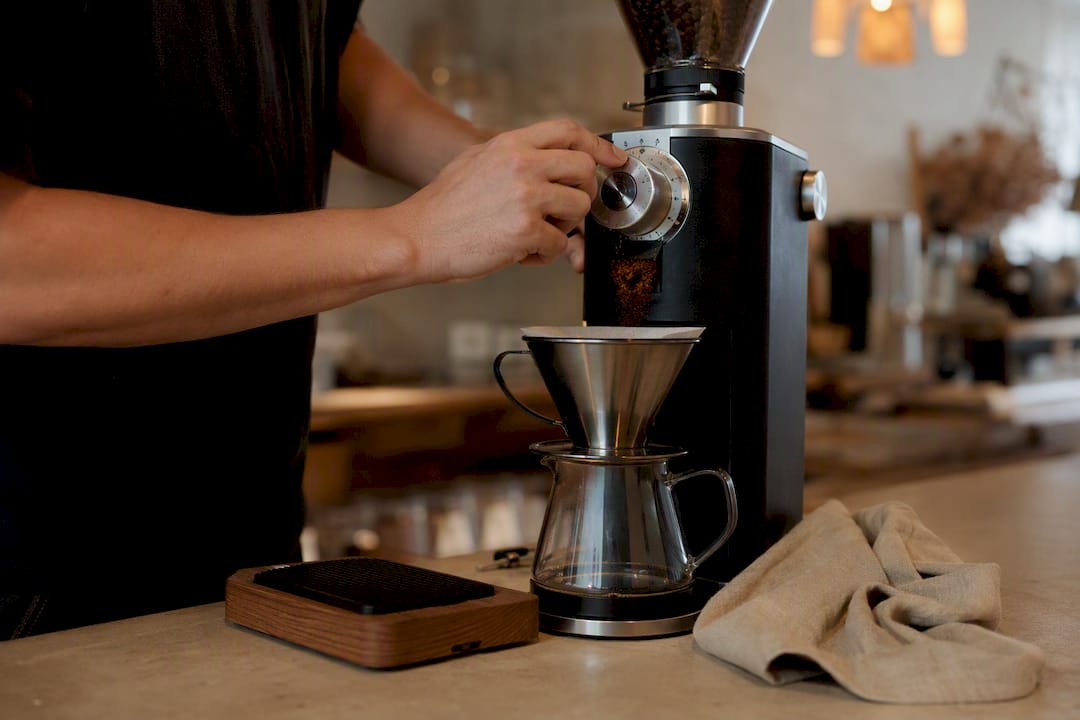
Pour-over delivers the clearest read on a single-origin’s identity. The Hario V60, Chemex, or Kalita Wave all let acidity, florals, and fruit notes come through without the heavier body of a French press or the intensity of espresso muddying things. If you want body and richness instead, French press or espresso will showcase a coffee’s weight and sweetness rather than its clarity.
A simple pour-over approach:
- Use a 1:16 ratio of coffee to water (roughly 22 grams of coffee to 350 grams of water).
- Heat water to 200 to 205°F, just off a rolling boil.
- Bloom the grounds for 30 to 45 seconds before your main pour.
- Pour in slow, even circles over three to four minutes total.
While tasting, work through aroma, acidity, body, and finish in that order. Aroma tells you what to expect; acidity determines brightness; body is the weight on your tongue; finish is what lingers after you swallow.
Pro Tip: Grind slightly coarser than you think you need for pour-over. An overly fine grind muddies the acidity that makes single-origin coffee worth drinking black in the first place.
What “Single-Origin” Doesn’t Guarantee
The label alone promises geography, not quality or ethics. Because there’s no universal or legal standard, a roaster can slap “single-origin” on a country-wide lot with zero farm-level traceability. Real trust signals look different: a named farm or cooperative, a specific lot number, a harvest date, and ideally a cupping score from a system like Cup of Excellence.
Before buying, ask a roaster (or check the product page) for:
- The farm, estate, or cooperative name, not just a country
- Harvest season and processing method
- Whether pricing reflects direct trade or a broker relationship
Traceable, micro-lot coffee tends to carry a real premium and appear in smaller, seasonal batches. That’s the tradeoff for authenticity.
How Responsible Roasters Source Single-Origin Coffee
The gap between a genuine single-origin claim and a marketing label comes down to documentation. Roasters worth trusting maintain direct relationships with farms or cooperatives, publish lot-level detail rather than vague country names, pay fairly and consistently rather than chasing spot-market lows, and print roast dates on every bag. Rowst builds its entire sourcing model around those relationships, working directly with small-scale producers in places like El Salvador, Mexico, and Uganda instead of buying through anonymous brokers.
When evaluating any roaster’s sourcing claims, check for:
- A named farm or cooperative on the product page, not just a country of origin
- Roast date printed on the bag
- Direct-trade or relationship-based sourcing language backed by specifics
- Cupping scores or quality notes tied to the specific lot
Common Varietals Behind Single-Origin Flavor Profiles
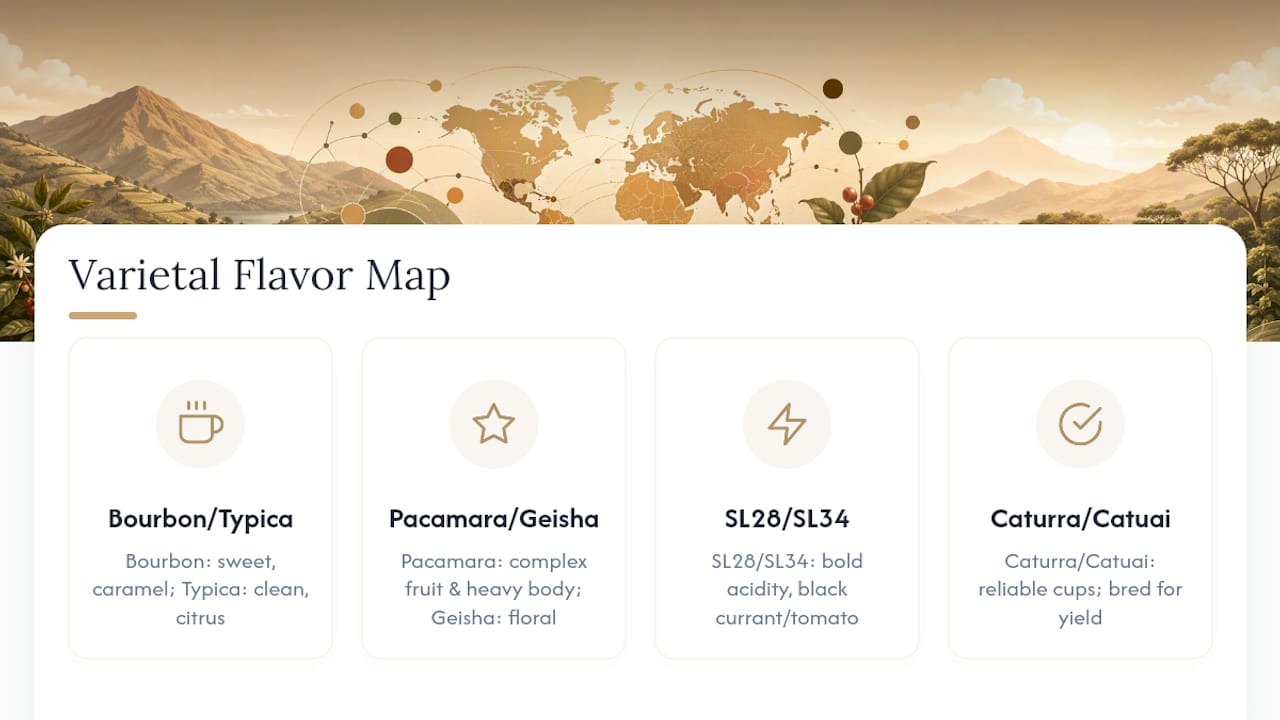
Origin sets the stage, but the coffee plant’s genetics do a lot of the work. Bourbon, one of the oldest cultivated varietals, tends toward sweet, balanced cups with notes of caramel and stone fruit, and it’s the backbone of many Latin American single-origins. Typica, its close relative, produces cleaner, more delicate profiles often described as tea-like or citrusy.
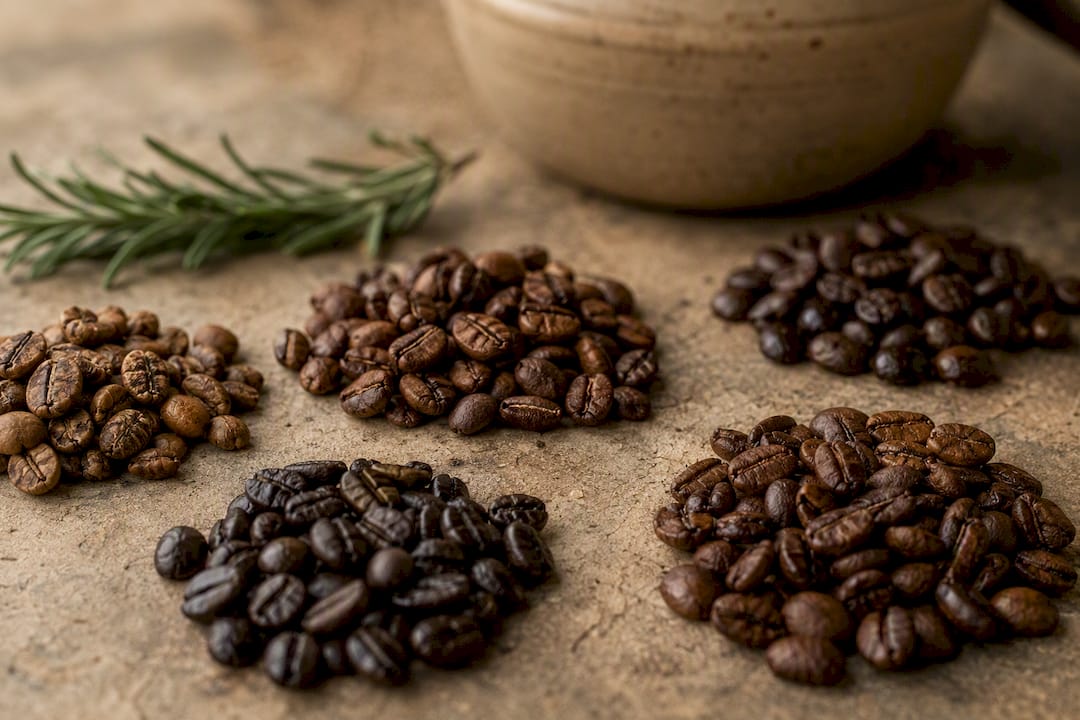
Pacamara, a cross between Pacas and Maragogype developed in El Salvador, produces an unusually large bean and a cup that leans toward complex fruit and floral notes with a heavier body. It’s become a favorite among specialty buyers looking for something distinctive rather than familiar. Geisha (sometimes spelled Gesha), originally from Ethiopia and now closely associated with Panama, is famous for intensely floral, jasmine, and bergamot notes that can fetch some of the highest prices in the specialty market.
SL28 and SL34, varietals developed in Kenya, tend to produce bold black currant and tomato-like acidity that Kenyan coffees are known for. Caturra and Catuai, both mutations bred for higher yield and shorter plants, generally produce solid, reliable cups without the extremes of Geisha or Pacamara, making them common in everyday specialty offerings.
Knowing the varietal on a bag gives you another data point beyond origin and processing. It’s not a guarantee of flavor, but it narrows the range of what to expect before the first sip.
A Note From the Roaster
We chase single-origin lots because a place, picked and processed well, tells a truer story than any blend can. Every bag we sell is a bet on a farm we believe in.
Ready to Taste Your First Single-Origin?
Rowst gives you what most roasters won’t: full transparency on the farm, the lot, and the roast date, without a subscription lock-in or minimum order to start. If you’re new to single-origin and not sure where to begin, the Discovery Pack bundles several origins together so you can compare a washed Ethiopian-style cup against something fruitier from Central America without committing to a full bag of either.
Each coffee ships with its roast date and tasting notes attached, and because these are small-batch harvests, availability shifts with the season. The Coffee Lover Pack is built for readers who already know they prefer variety over a single reliable bag. If you already know you want something specific, the El Salvador Pacamara is a strong entry point for a bold, fruit-forward cup with real farm-level traceability. Pick a pack, check the roast date on arrival, and brew it within your first few weeks for the clearest read on what that origin actually tastes like.
Frequently Asked Questions
Is single-origin coffee always better than blended coffee? Not necessarily. Single-origin offers more distinct flavor and traceability, but blends are engineered for consistency and often perform better in milk-based drinks. Which one is “better” depends on what you’re brewing and what you value.
What is a micro-lot in coffee? A micro-lot is coffee from an extremely narrow origin, often a single field, harvest date, or altitude band on one farm. Micro-lots typically command higher prices because of their scarcity and the extra sorting and attention they require.
Does single-origin coffee cost more than blends? Usually, yes. Single-origin lots, especially specialty-grade micro-lots, tend to carry a price premium tied to seasonality, limited supply, and the extra traceability work roasters put into sourcing them.
Can single-origin coffee be used for espresso? Yes, though it produces a different result than a blend built for espresso. Single-origin espresso tends to highlight one dominant flavor character rather than the balanced, rounded profile blends are designed to deliver under pressure and heat.
How can I tell if a “single-origin” label is trustworthy? Look past the word itself. A trustworthy label includes a named farm or cooperative, a specific harvest date, and the processing method, not just a country name printed on the bag.
Sources
- Single-origin coffee
- Single-Origin Coffee - Roastopedia
- Everything You Need to Know About Single Origin Coffees - Perfect Daily Grind
- Single-origin coffee (Roasty Coffee)