

What Specialty Coffee Actually Means (and How to Spot It)
Specialty coffee is a coffee, or a coffee experience, recognized for distinctive attributes that give it extra market value, according to the Specialty Coffee Association’s own definition. In practice, that usually shows up as three things working together:
- A cupping score at or above the commonly recognized threshold on the 100-point scale
- Documented traceability back to a farm, cooperative, or region
- Measurable sensory quality, verified through Q Grader cupping rather than a marketing label
None of those three qualifiers works well alone. A high score without traceability tells you little about who grew the coffee or how they were paid. Traceability without a score tells you little about how the coffee actually tastes. The real definition of specialty coffee lives at the intersection of all three, and that is the standard we hold ourselves to at Rowst with every single-origin lot we bring in.
Key Takeaways
Specialty coffee earns its name through a combination of an 80-plus cupping score, verified sensory grading, and documented traceability, not through price or packaging alone.
| Point | Details |
|---|---|
| Score threshold | An 80 or higher on the 100-point cupping scale is the baseline for specialty classification. |
| Grading is systematic | Certified Q Graders score ten sensory attributes and subtract defect penalties for an objective result. |
| Defects have hard limits | Industry standards allow a maximum of a few defects per given weight of green coffee before disqualification. |
| Traceability is foundational | A coffee lacking documented farm or lot origin fails the specialty standard regardless of taste. |
| Freshness matters more here | Lighter roasts preserve origin character but degrade faster, so buy whole beans and use them within weeks. |
Table of Contents
- Specialty Coffee Definition: What Changed and Why
- How Specialty Coffee Gets Graded
- What Actually Separates Specialty From Commercial Coffee
- Why Traceability Is the Backbone of a Legitimate Claim
- How to Tell If a Coffee Is Actually Specialty
- Roasting, Storage, and Brewing: What Actually Preserves Specialty Quality
- How Rowst Puts Traceability Into Practice
- Ready to Taste the Difference?
- The Score Isn’t the Whole Story
- Frequently Asked Questions
- Sources
Specialty Coffee Definition: What Changed and Why
For decades, the shorthand version of the specialty coffee definition was simple: achieving a score above the generally accepted minimum on a cupping sheet, and you’re in the club. That number came from Erna Knutsen, who coined the term “specialty coffee” in 1974 to describe beans grown in unique microclimates with exceptional flavor. It became the backbone of the Third Wave coffee movement, which treated coffee less like a commodity and more like wine, worthy of origin stories and tasting notes.
In 2021, the SCA revised that framing. The organization now defines specialty coffee as one “recognized for its distinctive attributes” that “confer extra economic value in the coffee value chain,” a shift reported in detail by Daily Coffee News. The number didn’t disappear, but it stopped being the whole story.
The updated definition splits quality into two buckets:
- Intrinsic attributes, such as flavor, aroma, acidity, body, and mouthfeel, the things you actually taste in the cup
- Extrinsic attributes, such as origin, producer identity, processing method, sustainability practices, and traceability, the story behind the cup
This matters because a coffee can score respectably on paper while still lacking the transparency that makes it “specialty” in spirit. The SCA’s own Coffee Value Assessment framework was built specifically to weigh both sides rather than let a single cupping number carry the entire definition. A coffee scoring 84 with full farm-level traceability and fair producer compensation often represents the category better than an 87 with no origin story at all.
How Specialty Coffee Gets Graded
The 100-point cupping scale is the backbone of specialty coffee scoring, and understanding the bands makes label claims much easier to evaluate. Coffee scoring 80 to 84.99 lands in the “very good” range. Scores of 85 to 89.99 count as “excellent.” Anything above 90 gets labeled “outstanding,” a tier reserved for a small fraction of harvests worldwide, based on the score bands documented on Wikipedia’s specialty coffee entry.
Here’s how a coffee actually earns its number:
- Certified Q Graders cup the sample. These evaluators complete a demanding certification through the Coffee Quality Institute and the SCA’s Q Grader program, training them to score cups consistently across different tasting sessions and geographies.
- They score across ten sensory categories. Fragrance, aroma, flavor, aftertaste, acidity, body, balance, uniformity, clean cup, and sweetness each get individually scored, then combined.
- Defects get subtracted, not averaged in. A single quaker bean or a sour note doesn’t just lower the average; it actively subtracts points from the final tally.
- The final number reflects both what’s right and what’s wrong with the cup. That dual accounting is what makes the process, when properly administered, objective and repeatable.
Underneath the tasting score sits a harder, more mechanical rule: the defect-count standard. Industry guidance, including the International Coffee Organization’s documentation, sets the bar at a maximum of a few defects per given weight of green coffee of green coffee. Beyond that threshold, the coffee doesn’t qualify for specialty status, no matter how good it tastes on a good day.
One caveat worth remembering: a cupping score is a snapshot, not a permanent grade. Seasonal shifts, processing tweaks, and even the specific lot sampled can move a coffee’s score from one harvest to the next. Treat any score as a strong signal, not an unchanging certificate.
What Actually Separates Specialty From Commercial Coffee
Commodity coffee is built for sameness. Large roasters blend beans from dozens of farms and multiple countries specifically to guarantee that a bag bought in January tastes identical to one bought in August. Consistency is the entire point, and it requires smoothing out the very origin character that specialty coffee is built to showcase.
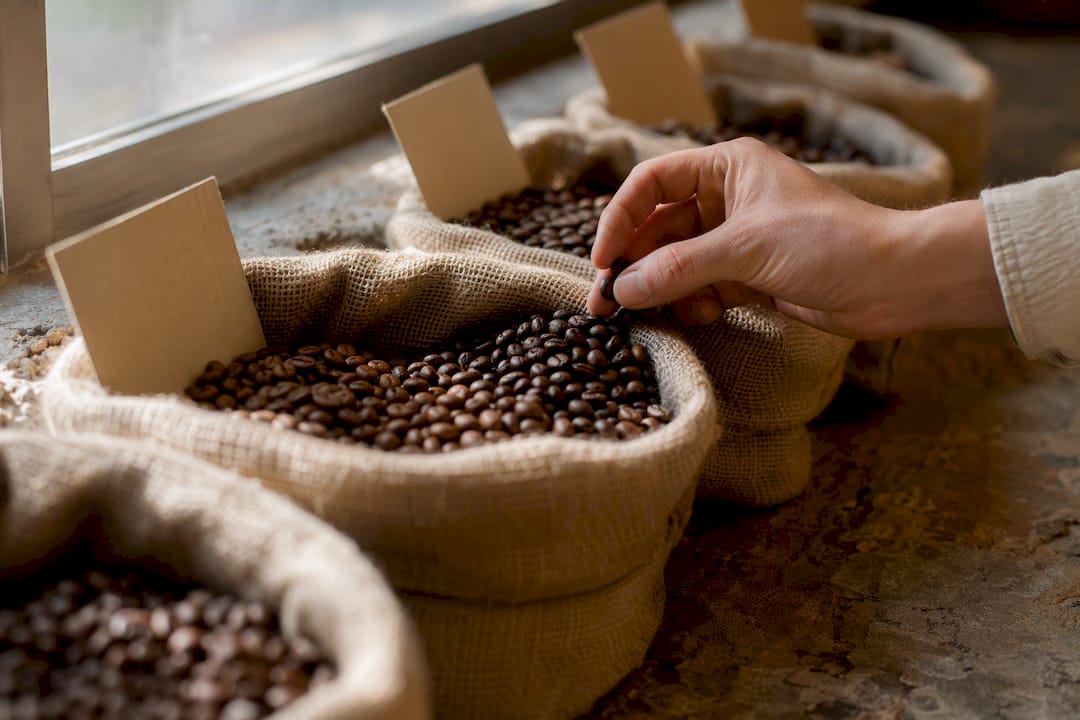
Specialty coffee does the opposite on purpose. Because it’s tied to a specific farm, lot, or microclimate, flavor shifts from one harvest to the next, and that variability is treated as a feature of the category, not a flaw to engineer away. A washed Ethiopian lot from this year’s harvest might taste distinctly different from last year’s, and that’s the terroir speaking, not an inconsistency to apologize for.
Roasting philosophy diverges just as sharply:
- Commercial roasters often roast dark to mask defects and standardize flavor across inconsistent green coffee
- Specialty roasters tend toward lighter and medium profiles specifically to let origin character, acidity, and varietal notes come through
- Batch sizes for specialty are smaller, which allows roasters to adjust profiles lot by lot rather than running one generic curve for everything
Price differences follow from all of this, but price alone is a poor proxy for specialty status. A coffee can be expensive because of scarcity, marketing, or packaging, without meeting any of the actual sensory or traceability standards. Conversely, some smaller producers sell exceptional, fully traceable lots at modest markups simply because they lack the distribution reach of bigger brands.
Pro Tip: Don’t judge a coffee’s specialty status by shelf price alone. Check whether the bag names a specific farm, cooperative, or lot number. That single detail tells you more than the price tag does.
Why Traceability Is the Backbone of a Legitimate Claim
Traceability means you can follow a bag of coffee back to a specific farm, cooperative, or even an individual lot, complete with details on the region, processing method, and often the exporter. Without that paper trail, a “specialty” label is closer to a marketing choice than an industry standard.
Direct trade relationships, where a roaster buys straight from a producer or cooperative without a chain of anonymous middlemen, tend to produce the strongest traceability. These relationships also change the economics for growers, since money that would otherwise get absorbed by intermediaries goes back to the people actually farming and sorting the beans. This is the sourcing model Rowst has built around, working directly with small-scale producers across regions like Uganda, El Salvador, and Mexico.
A few things worth knowing about the traceability landscape:
- Certifications (organic, Fair Trade, Rainforest Alliance) signal specific practices, but they’re not the same thing as traceability. A certified coffee can still pass through several anonymous hands before reaching a roaster.
- Direct transparency, where a roaster names the farm and shares the price paid, often tells you more than a certification logo does.
- Documented supply chains are treated by the SCA as foundational, not optional, to the specialty category. A coffee with no origin story fails that requirement outright, regardless of its cupping score.
Small-scale, transparent sourcing models are gaining traction well beyond coffee. Community-supported agriculture projects like the SPACE on Ryder Farm CSA apply the same direct-relationship logic to produce, and the underlying principle is identical: buyers pay more when they know exactly where something came from and who grew it.
How to Tell If a Coffee Is Actually Specialty
You don’t need a Q Grader certification to shop smart. A quick scan of the bag or product page tells you most of what you need to know.
- Look for a cupping score. Anything at 80 or above meets the baseline threshold; scores in the mid to high 80s signal genuinely excellent coffee.
- Check for a roast date, not just a “best by” date. Freshness matters enormously for specialty, and a roast date within the last few weeks is the goal.
- Confirm single-origin or single-lot sourcing. Farm name, region, and lot number all suggest the roaster has real traceability, not just a marketing claim.
- Read the processing note. Washed, natural, or honey-processed each produce distinctly different flavor profiles, and naming the method suggests the roaster actually knows their supply chain.
- Trust your palate. Specialty coffee should taste clean and balanced, with no muddy or stale notes. Acidity should feel bright rather than sour or flat.
Watch for red flags too: vague country-of-origin claims with no region or farm named, no roast date printed anywhere, or a “specialty” label with zero supporting detail. Any of those should make you skeptical.
Pro Tip: If a product page can’t tell you where the coffee was grown and when it was roasted, it probably can’t back up its specialty claim either.
Roasting, Storage, and Brewing: What Actually Preserves Specialty Quality
Because specialty coffee is roasted to highlight origin character rather than mask it, it’s more fragile than commodity coffee. Dark-roasted commercial coffee can sit on a shelf for months without much perceptible change. Specialty coffee cannot.
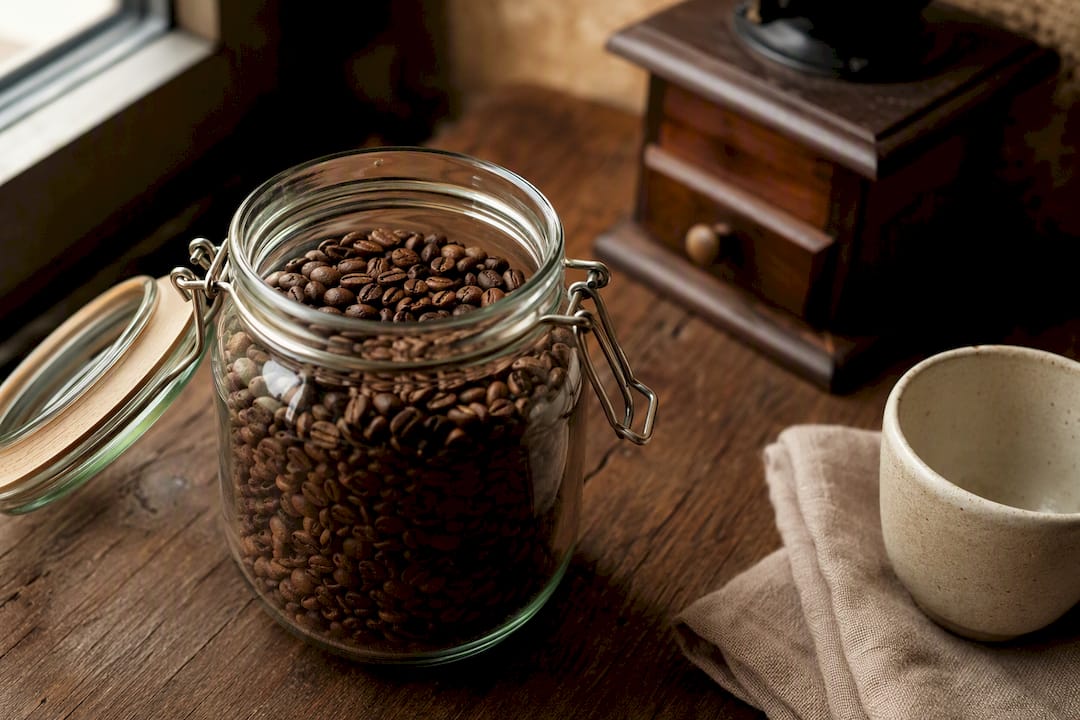
That fragility comes down to a simple mechanical fact: lighter and medium roasts leave more delicate compounds intact, which is exactly why the coffee tastes distinctive, but it also means those compounds degrade faster once the bag is opened.
A few habits protect that quality at home:
- Buy whole beans, never pre-ground, and grind only right before brewing
- Store beans in an airtight container away from light, heat, and moisture
- Aim to use beans within two to four weeks of the roast date for peak flavor
- Match your grind size to your brew method: coarser for French press, finer for espresso
- Avoid over-extraction by watching brew time and water temperature, since specialty coffee’s nuanced notes turn bitter fast when pushed too hard
Pro Tip: Buy specialty coffee in smaller quantities more often, rather than stocking up on a large bag that will sit half-used for a month.
How Rowst Puts Traceability Into Practice
Rowst sources single-origin specialty coffee directly from small-scale producers, building relationships without intermediaries so the people growing, harvesting, and sorting the beans see a fairer share of what you pay. That model isn’t unique in intent, but it’s worth seeing how it plays out on an actual product page.
Take the El Salvador Pacamara, a single-origin lot listed with its origin, cupping profile, and tasting notes displayed up front, or the Coffee Lover Pack, a discovery set that lets you taste multiple origins side by side without guessing what you’re getting. Roast date, farm-level origin, and tasting notes appear directly on the listing rather than buried in fine print.
This is one example of how traceability gets presented in practice, not a claim that it’s the only model worth trusting.
Ready to Taste the Difference?
Understanding the specialty coffee definition is one thing. Tasting the gap between an 80-point cup and a commodity blend is another entirely, and it’s the kind of difference that’s obvious within the first sip.
If you want to start exploring, the Discovery Pack is a low-commitment way to compare origins side by side, while the Uganda Bugisu and Mexico Veracruz lots each showcase a distinct regional character worth tasting on their own. Every bag ships with its origin, roast date, and tasting notes listed plainly, because a specialty claim should be easy to verify, not just easy to print on a label. Explore the full lineup at Rowst and taste what traceable sourcing actually delivers in the cup.
The Score Isn’t the Whole Story
The conventional shorthand, “specialty means 80-plus,” isn’t wrong, but it’s incomplete in a way that misleads more shoppers than it helps. A cupping score tells you about a single sample cupped on a single day. It says nothing about whether the farmer got paid fairly, whether the lot can be traced back to a real place, or whether next year’s harvest will taste anything like this one.
Where I think the industry undersells itself is in treating traceability as a nice-to-have footnote rather than a co-equal requirement alongside the score. The SCA’s 2021 revision got this right by folding origin and market value into the definition itself. If you’re evaluating a bag of coffee, prioritize the roast date and origin information first, because those tell you whether the seller actually knows and shares where the coffee came from. The score matters, but it’s the second question, not the first.
Frequently Asked Questions
What does “specialty coffee” actually mean? Specialty coffee is coffee recognized for distinctive attributes, flavor, origin, and traceability, that give it extra market value beyond a typical commodity coffee. The SCA’s definition centers this on both sensory quality and documented sourcing.
What is the minimum specialty coffee score? The widely used threshold is 80 out of 100 on the cupping scale, as documented in industry references. Coffee scoring below that typically falls into commercial or premium grades instead.
Is specialty coffee worth the higher price? For most drinkers who value flavor complexity and traceable sourcing, yes, since specialty coffee reflects tighter quality control and often better producer compensation. Price alone isn’t proof of quality, though, so check for a score, origin, and roast date before assuming a higher price equals a better cup.
How is specialty coffee different from regular coffee? Commercial coffee blends beans across origins for year-round consistency, while specialty coffee is tied to specific farms or lots and embraces seasonal variation. Specialty also undergoes formal sensory grading and defect counting that commodity coffee typically skips.
Can a coffee be specialty without a certification label? Yes. Certifications like organic or Fair Trade address specific practices, not overall specialty status. A coffee with clear farm-level traceability and a strong cupping score can qualify as specialty even without a certification logo on the bag.
Sources
- What Is Specialty Coffee? SCA Offers a Fresh Definition
- What is Specialty Coffee — Specialty Coffee Association
- Existing definitions of specialty coffee
- Q‑grader — Specialty Coffee Association (education page)